
1. Target Borehole Depth & Mast Hook-Load Capacity
The realistic depth capacity of a rotary drilling rig is primarily governed by its gross mast hook-load rating rather than engine horsepower alone. As drilling advances, the cumulative weight of the drill string, heavy drill collars, and especially the heavy casing program must be safely hoisted. A 1000m borehole typically requires a 70–90 ton hook-load rating, whereas 1500m–3000m geothermal or regional deep water wells demand certified 110-ton structural masts.
2. Truck-Mounted vs. Trailer-Mounted Rigs: Mobility vs. Structural Payload
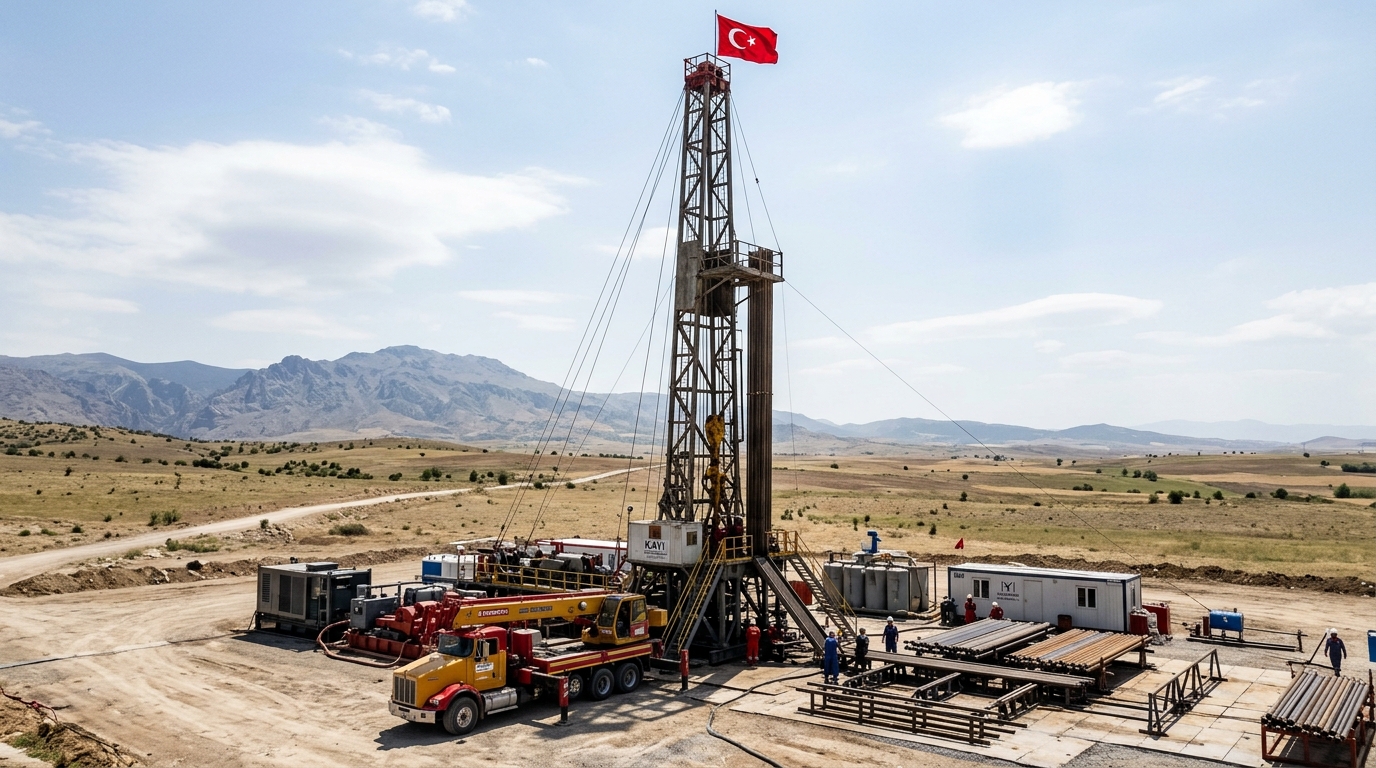
Truck-mounted rotary rigs (such as KD-500, KD-800, KD-1200) are engineered on multi-axle commercial truck chassis (6×4 or 8×4). Their chief operational advantage is rapid highway mobilization between dispersed agricultural and municipal sites without requiring dedicated transport tractors. Trailer-mounted rigs (such as KD-1200-T, KD-3000) are built on heavy lowbed semi-trailers, providing a broader footprint, superior torsional rigidity, and higher hook-load ratings necessary for 1500m to 3000m continuous operations.
3. Rotary Torque & Positive Displacement Mud Hydraulics
Penetration rate and hole stability rely directly on bottom-hole cleaning efficiency. Inadequate mud volume results in cuttings regrinding and catastrophic stuck-pipe incidents. For abrasive hard formations, pair the rig with a heavy duplex double-acting reciprocating mud pump capable of 20–60 bar (300–900 psi) annular velocity circulation.
Engineering Notice: For tailored hook-load ratings, torque calculation, and mud hydraulic modeling matched to your strata, contact KD SONDAJ engineering.
Consult Our Drilling Engineers
Our engineers analyze borehole depth and rock formation to recommend the most cost-effective rig package.